
TRAINING
Learning programmes on intercultural competence, critical interculturality, and global collaboration for universities and social impact organisations.
TRAINING & CAPACITY BUILDING
I design and facilitate training programmes, workshops and capacity-building initiatives that help universities and organisations strengthen intercultural competence, critical perspectives, and effective collaboration across cultures.
My work combines conceptual frameworks, experiential learning, and reflective dialogue, connecting theory with real professional situations. Most of my training activities take place in higher education institutions and social impact organisations, often in international and intercultural contexts.
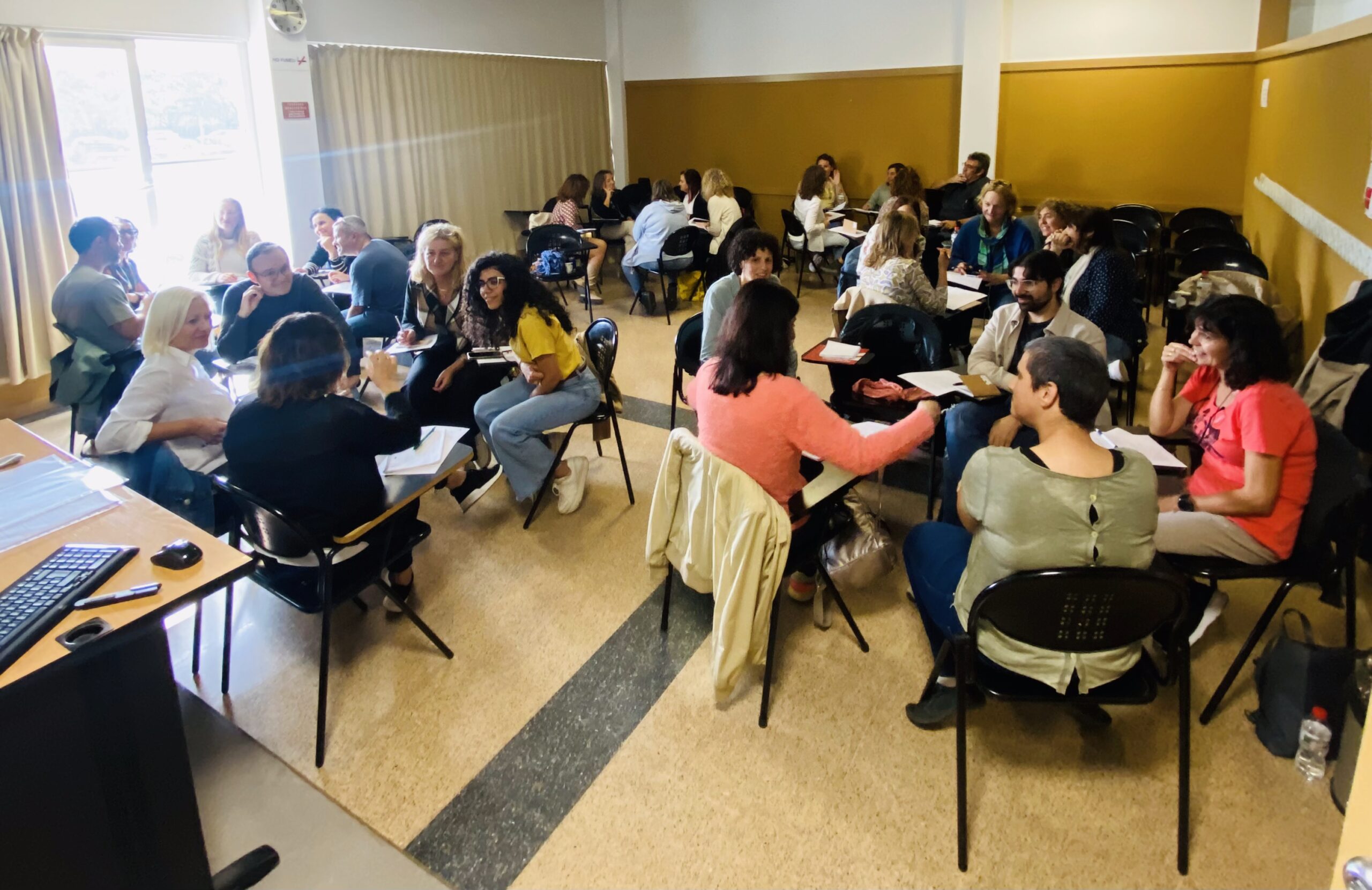

Higher Education
academic staff, professional and administrative staff, postgraduate communities (Master’s and PhD programmes

Nonprofits & Social impact organisations
staff, local or international volunteers, partners, educational centers, etc.

Languages
English · Spanish · Catalan

Formats
In person · Online · Blended
HIGHER EDUCATION
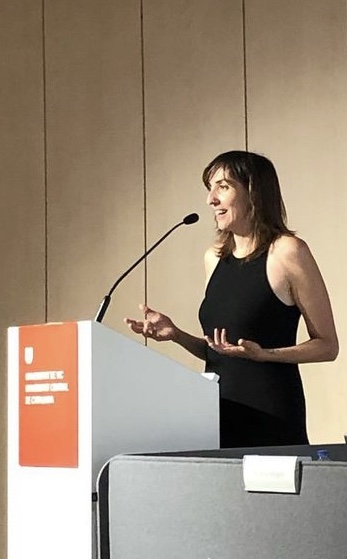
Most of my training work takes place in universities and higher education institutions, where I collaborate primarily with academic staff, professional and administrative staff, and postgraduate communities (Master’s and PhD programmes).
These programmes support institutions working on internationalisation, intercultural competence, critical interculturality and curriculum innovation, helping university teams develop the knowledge, tools, and reflective practices needed to work effectively in global and intercultural academic environments. Many of these programmes are developed in connection with internationalisation strategies, university alliances, staff development plans, curriculum innovation initiatives, and international cooperation projects.
Having worked within universities for many years in both professional and academic roles, I am familiar with the institutional dynamics, expectations, and constraints that shape everyday academic life. This experience allows me to design training processes that resonate with participants and connect directly with their professional realities.
Intercultural competence in academic environments
Examples of programmes and sessions for academic and professional/administrative staff:
-
Strengthening Intercultural Competence in Higher Education
-
Intercultural communication in international contexts
- UNESCO Story Circles: Intercultural competence in practice
- Train-the-trainer: Intercultural competence and critical thinking for our daily practice
«The cost of intercultural incompetence are so high, including all the dangers of conflict and war… just as our future depends upon actions taken today, so the future of cultural diversity respectful of human rights in our social world depends upon our ability to gain and demonstrate intercultural competencies today»
UNESCO, 2013
Critical interculturality and academic practice
Examples of programmes and sessions for academic staff:
-
Beyond differences: Rethinking (critical) interculturality in our everyday practice
-
Critical interculturality, epistemologies, and diverse Knowledges: Rethinking teaching & research
-
Critical Interculturality and decolonial perspectives in Higher Education (in collaboration with co-facilitator specialised in Decolonial approaches).
“Intellectual fellowship and radical openness are the heart and soul of learning”.
bell hooks
Internationalisation of the curriculum
Examples of programmes and sessions:
-
Internationalisation of the Curriculum (IoC)
-
Intercultural approaches to Internationalisation at Home
-
Designing Learning Experiences for international classrooms in a global world
NON-PROFIT ORGANISATIONS & SOCIAL IMPACT INITIATIVES
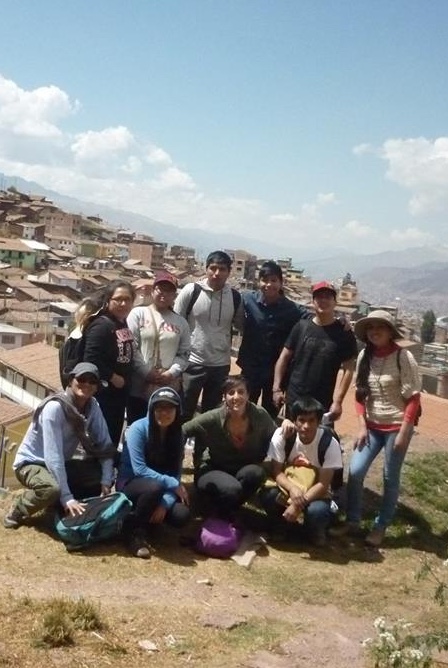
I also collaborate with non-profit organisations, international cooperation initiatives, and social impact projects, supporting teams that work in international, intercultural, or community-based contexts.
In these settings, programmes often focus on strengthening intercultural competence, critical interculturality, online collaborative practices, and organisational learning, while supporting teams in designing educational initiatives and processes aligned with their values and goals.
My connection with this field began in 2009 and has continued ever since through both professional work and volunteer engagement. This long-standing involvement allows me to understand the realities, motivations, and constraints that shape the work of non-profit organisations and international cooperation initiatives.
Intercultural competence and critical interculturality
Examples of programmes and sessions:
-
Why a North? Why a South? Understanding global inequalities
-
Critical Interculturality in education and social projects
-
Educational programmes on Global Justice and Global citizenship
-
Training programmes for teachers on Global Justice and Education for social transformation
- UNESCO Story Circles: Intercultural competence in practice
Collaboration in international and digital environments
Examples of programmes and sessions:
-
Working together online in a global world: Intercultural competence to make it happen
-
Intercultural communication in international virtual teams
- Strengthening Deardorff’s intercultural competence through Erin Meyer’s cultural dimensions
- International CV and Interviews: Don’t worry about your English, occupy yourself with culture
Professional development
Examples of programmes and sessions:
- Theory of Change applied to social and community projects
-
Designing educational programmes for social impact
-
Facilitating Learning Processes in intercultural contexts
Training and capacity-building formats
Programmes are always adapted to the needs and context of the institution or organisation. Typical formats include:
Keynotes and short learning sessions (60–120 minutes)
Applied training sessions (half-day or full-day)
Short staff development programmes (4–12 hours)
Train-the-trainer and multiplier formats for internal teams
Learning activities integrated into Erasmus+, university alliance, and international cooperation projects
Sustained collaborations contributing to programme design, facilitation, learning activities, and follow-up within institutional or multi-partner projects
Sessions can be delivered in person, online, or in blended formats, depending on the context and participants.
Training as part of broader processes
Many programmes emerge from broader collaborations with universities and organisations. In these cases, training and capacity building become part of wider processes such as curriculum development, internationalisation strategies, programme design, team development, or organisational learning.
If you are looking to strengthen intercultural competence, critical interculturality, or collaborative practices in your institution or organisation, I can design a programme tailored to your context and goals.